Beyond the Hype: AI-Powered Programming

The prophecy that programmers will become obsolete because computers will essentially program themselves is now several decades old. So far, however, the profession of programmer hasn’t died out. Nevertheless, some fundamental changes have occurred in recent years. The capabilities of current AI systems evoke a wide range of emotions. Some hate it, others love it. However, as is so often the case in life, things aren’t black and white. Therefore, I would like to share my experiences with AI-supported programming and offer an assessment of the overall situation.

The development is exponential. Roughly speaking, performance doubles with each leap in half the time compared to the previous leap.

We are currently in the third iteration. The next iteration, with double the performance, will no longer take 18 months, but a maximum of 9 months. My key takeaway for software development is this: AI can massively support skilled programmers and administrators in their work and significantly boost their performance. However, like everything in life, this also has its downsides. In this article, I’ll take the time to shed some light on the background of this topic.

Some time ago, I kept seeing posts on my timeline on the relevant social media platforms from junior developers raving about vibe coding. At first, I thought it was about creating the optimal atmosphere for working—things like the right music and essential oils to get into the perfect workflow. But no. That wasn’t what it was about. People who knew nothing about programming could suddenly generate code that seemingly did exactly what the authors intended. Sounds great at first, but the reality is quite different.

We’ve been familiar with the “copy-paste” approach for quite some time. We didn’t need AI for that; it wasn’t so long ago that people would Google code snippets and find them on websites like Stack Overflow. Fragments of supposed recommendations were quickly copied into their own codebases, and if it worked, everything was left unchecked, exactly as it had been copied. These self-proclaimed experts weren’t even able to understand the copied code snippets, let alone adapt them correctly to their own projects. Hence the expression “copy-pastes-along.” The fact that these code snippets could cause massive problems in production environments was conveniently ignored by these supposed experts. The spectrum of issues ranged from poor performance to critical security vulnerabilities. This situation hasn’t changed with the widespread availability of AI. Therefore, I predict that in the coming years, a flood of low-quality software will compete for users’ attention.

Here I can only quote Grady Booch again: “A fool with a tool is still a fool.” My observations of using LLM for programming in my own projects have been rather lukewarm. In my experience, it’s mostly project managers and people who can’t program who massively overestimate the capabilities of AI models on social media.

I’m generally a skeptical person and, of course, I’ve tried using the usual suspects—AI models—for my daily work. I specifically looked at the community-created versions, without paying for them. Because with these versions, the world will be flooded with bad software in the future. Here, too, I can cut to the chase. All of Grok’s results in the areas of programming/scripting and configuration were below average. It felt a bit like being in an old forum. Instead of asking those annoying “why” and “how come” questions, Grok failed to get to the point, let alone present a working solution. The model, however, shone with meaningless motivational slogans like “Team leader on steroids.” It reminds me a bit of Joseph Weizenbaum’s statements about virtual conversations and his Eliza chatbot.

Things went somewhat better with Deep Seek. At least it produced usable results. These were also immediately usable and seemingly did what they were intended to do. However, upon closer inspection of the code, it was cluttered with all sorts of unnecessary elements. In these cases, I didn’t conduct any further analysis to determine whether any security-critical issues had arisen. Statistically, one can assume that the more code there is, the higher the probability of errors. Opus, on the other hand, constantly annoyed me by requiring a subscription even for minimal queries. I actually achieved the best results with ChatGPT, although the answers were sometimes contradictory or redundant.

Anyone considering setting up a local instance of one of the free AI models, for example with LM Studio, and buying an exorbitantly expensive graphics card for it, should know: you can save your money. The freely available models are nowhere near as powerful as their commercial counterparts. It also wouldn’t exactly be good for business to create your own competition. The question then arises: when does it actually make sense to work with AI programming models to truly accelerate your output? In my experience, it’s less about what or with what, but more about how. For this, we need to make a few important distinctions.

An AI agent that is directly integrated into the IDE and has complete freedom is not a good idea. You often hear that this AI does things it shouldn’t, and instructions to stop these activities have little effect. Anyone who still insists on trying it is well advised to establish a clean branching model with appropriate access restrictions for the agent. Although I generally reject pull requests in commercial development teams, this strategy is essential when using AI agents. Access to the build logic, such as the Maven POM or Gradle project file, is also forbidden for the agents. The proven security approach applies here as well: as little as possible, as much as necessary. Locking down the build logic prevents the AI ​​agent from arbitrarily defining its own version of dependencies.

It’s also important to ensure that code changes remain manageable and are implemented iteratively. Although it might seem a bit clunky, I use AI to generate functions or classes. I then copy the suggested code snippets into my IDE and review them line by line. Based on my quality criteria, I modify the code and use custom test cases to verify that everything works as intended. Generating extensive test data for late tests is an ideal example of tasks that can and should be delegated to AI. Of course, it’s essential to continuously monitor test quality, for which test coverage is a key indicator. Even though the approach described above takes a bit more time, it offers more advantages over quick fixes. I’m able to understand the code changes and assign them to the relevant requirements. Another significant factor is that this method helps me further develop my programming skills. Quickly skimming and unreflectively accepting the proposed solution will likely cause my skills to atrophy over time, leading to a continuous decline in my performance. This will not secure my job in the long run.

This brings me to another point regarding working with LLM: How can you formulate efficient prompts, i.e., instructions for the model? Since communication with the model occurs via natural language, it’s essential to structure your thoughts effectively in order to articulate them clearly. Therefore, taking a course in prompt engineering is not helpful. If you can’t clearly communicate your ideas and concepts to others, you’ll achieve little success with AI. So, what really matters? The answer is almost so simple it’s easy to miss: clear communication with concise, short, and understandable sentences. No complicated, convoluted sentences to satisfy your ego. Of course, you also need a concrete—fully thought-out—idea of ​​what you expect. Vague formulations can leave (too much) room for interpretation. Anyone who can explain their intentions to a preschooler in a few minutes will also achieve good results with AI. I’d like to leave it at that and discuss another aspect.

I’m often asked how I assess the quality of the source code generated by LLM. The answer isn’t straightforward, as there are various criteria to consider. UI is a whole other story. UI/UX is subject to trends and changes more frequently than business logic. In my Java test automation training courses, I strongly advise against creating UI tests altogether. The reason is that the cost-benefit ratio simply isn’t balanced enough in this area. For generated UI code, this means I only look at functionality and appearance and leave it at that. The situation is completely different with business logic for backend systems. Here, I’ve found that the code produced by LLM is sometimes better in terms of security than that of many programmers. The usual checks, such as SQL parameters, input validation, and filtering, are considered and implemented. However, there’s still room for improvement in performance and readability/understandability. I expect significant improvements in these areas in about two more iterations. This is also a key reason why LLM optimizations of an existing codebase are never truly complete and should be repeated with each new generation of LLM.

My strongest criticism of companies, as well as developers and administrators, who excessively use LLM in their daily projects is that they could quickly lose control of their products/services. The entire issue cannot be categorized as black and white, because the range of nuances is too vast. Therefore, it is up to us to follow the motto of the literary Enlightenment, as exemplified by Immanuel Kant: “Have the courage to use your own understanding.”

Finally, I’d like to discuss the cost factor for high-performance AI models. This is where unpleasant surprises can quickly arise. Let’s assume we have someone with a great startup idea who also has the ability to formulate correct and meaningful requirements clearly. Ideally, they even possess rudimentary programming skills to read, understand, and easily modify source code. This person decides to implement the idea independently, without a programmer. Even if the project is broken down into smaller parts and these tasks are assigned to freelancers, several thousand euros can quickly accumulate, depending on the scope of the work packages. If these tasks are then distributed to AI agents, the usual rates of 20 to 50 euros per month no longer apply. Token-based billing becomes necessary. Depending on the scope of the prompt, a request to the AI ​​then consumes one or more tokens. One token often has a value of one euro/US dollar. If no limit is set, several thousand euros can be consumed in just a few hours. Furthermore, it’s impossible to predict the quality of the generated source code beforehand. Every improvement requires tokens, which must be paid for – a cost factor that doesn’t arise with human developers. Even though AI agents might not seem to incur social security or similar expenses at first glance, this doesn’t mean projects can be implemented more cheaply. What’s more important is having someone on board who knows how to structure source code so that it can be easily extended later.


High-performance hardware under Linux for local AI applications

Anyone wanting to experiment a bit with local LLM will quickly discover its limitations. Not everyone has a massively upgraded desktop PC with 2 TB of RAM and a CPU that could fry an egg under full load. A laptop with 32 GB of RAM, or in my case, a Lenovo P14s with 64 GB of RAM, is more typical. Despite this generous configuration, it often fails to load a more demanding AI model, as 128 GB of RAM is fairly standard for many of these models. And you can’t upgrade the RAM in current laptops because the chips are soldered directly onto the motherboard. We have the same problem with the graphics card, of course. That’s why I’ve made it a habit when buying a laptop to configure it with almost all the available options, hoping to be set for 5-8 years. The quality of the Lenovo ThinkPad series, in particular, hasn’t disappointed me in this regard. My current system is about two years old and is still running reliably.

I’ve been using Linux as my operating system for years, and I’m currently running Debian 13. Compared to Windows, Linux and Unix distributions are significantly more resource-efficient and don’t use their resources for graphical animations and complex gradients, but rather provide a powerful environment for the applications they’re used in. Therefore, my urgent advice to anyone wanting to try local LLMs is to get a powerful computer and run Linux on it. But let’s take it one step at a time. First, let’s look at the individual hardware components in more detail.

Let’s start with the CPU. LLMs, CAD applications, and even computer games all perform calculations that can be processed very effectively in parallel. For parallel calculations, the number of available CPU cores is a crucial factor. The more cores, the more parallel calculations can be performed.

Of course, the processors need to be able to quickly request the data for the calculations. This is where RAM comes into play. The more RAM is available, the more efficiently the data can be provided for the calculations. Affordable laptops with 32 GB of RAM are already available. Of course, the purchase price increases exponentially with more RAM. While there are certainly some high-end gaming devices in the consumer market, I wouldn’t recommend them due to their typically short lifespan and comparatively high price.

The next logical step in the hardware chain is the hard drive. Simple SSDs significantly accelerate data transfer to RAM, but there are still improvements. NVMe cards with 2 GB of storage capacity or more can reach speeds of up to 7000 MB/s in the 4th generation.

We have some issues with graphics cards in laptops. Due to their size and the required performance, the graphics cards built into laptops are more of a compromise than a true highlight. A good graphics card would be ideal for parallel calculations, such as those performed in LLMs (Large Linear Machines). As a solution, we can connect the laptop to an external graphics card. Thanks to Bitcoin miners in the crypto community, considerable experience has already been gained in this area. However, to connect an external graphics card to the laptop, you need a port that can handle that amount of data. USB 3 is far too slow for our purposes and would severely limit the advantages of the external graphics card due to its low data rate.

The solution to our problem is Thunderbolt. Thunderbolt ports look like USB-C, but are significantly faster. You can identify Thunderbolt by the small lightning bolt symbol (see Figure 1) on the cables or connectors. These are not the power supply connections. To check if your computer has Thunderbolt, you can use a simple Linux shell command.

ed@local: $ lspci | grep -i thunderbolt
00:07.0 PCI bridge: Intel Corporation Raptor Lake-P Thunderbolt 4 PCI Express Root Port #0
00:07.2 PCI bridge: Intel Corporation Raptor Lake-P Thunderbolt 4 PCI Express Root Port #2
00:0d.0 USB controller: Intel Corporation Raptor Lake-P Thunderbolt 4 USB Controller
00:0d.2 USB controller: Intel Corporation Raptor Lake-P Thunderbolt 4 NHI #0
00:0d.3 USB controller: Intel Corporation Raptor Lake-P Thunderbolt 4 NHI #1

In my case, my computer’s output shows that two Thunderbolt 4 ports are available.

To connect an external graphics card, we need a mounting system onto which a PCI card can be inserted. ANQUORA offers a good solution here with the ANQ-L33 eGPU Enclosure. The board can accommodate a graphics card with up to three slots. It costs between €130 and €200. A standard ATX power supply is also required. The required power supply wattage depends on the graphics card’s power consumption. It’s advisable not to buy the cheapest power supply, as the noise level might bother some users. The open design of the board provides ample flexibility in choosing a graphics card.

Selecting a graphics card is a whole other topic. Since I use Linux as my operating system, I need a graphics card that is supported by Linux. For accelerating LLMs, a graphics card with as many GPU cores as possible and a correspondingly large amount of internal memory is necessary. To make the purchase worthwhile and actually notice a performance boost, the card should be equipped with at least 8 GB of RAM. More is always better, of course, but the price of the card will then increase exorbitantly. It’s definitely worth checking the used market.

If you add up all the costs, the investment for an external GPU amounts to at least 500 euros. Naturally, this only includes an inexpensive graphics card. High-end graphics cards can easily exceed the 500-euro price point on their own. Anyone who would like to contribute their expertise in the field of graphics cards is welcome to contribute an article.

To avoid starting your shopping spree blindly and then being disappointed with the result, it’s highly advisable to consider beforehand what you want to do with the local LLM. Supporting programming requires less processing power than generating graphics and audio. Those who use LLMs professionally can save considerably by purchasing a high-end graphics card with self-hosted models compared to the costs of, for example, cloud code. The specification of LLMs depends on the available parameters. The more parameters, the more accurate the response and the more computing power is required. Accuracy is further differentiated by:

  • FP32 (Single-Precision Floating Point): Standard precision, requires the most memory. (e.g., 32 bits per parameter)
  • FP16 (Half-Precision Floating Point): Half the precision, halves the memory requirement compared to FP32, but can slightly reduce precision. (e.g., 16 bits per parameter / 4 bytes)
  • BF16 (Brain Floating Point): Another option for half-precision calculations, often preferred in deep learning due to its better performance in certain operations. (e.g., 16 bits per parameter / 2 bytes)
  • INT8/INT4 (Integer Quantization): Even lower precision, drastically reduces memory requirements and speeds up inference, but can lead to a greater loss of precision. (e.g., 8 bits per parameter / 1 byte)

Other factors influencing the hardware requirements for LLM include:

  • Batch Size: The number of input requests processed simultaneously.
  • Context Length: The maximum length of text that the model can consider in a query. Longer context lengths require more memory because the entire context must be held in memory.
  • Model Architecture: Different architectures have different memory requirements.

To estimate the memory consumption of a model, you can use the following calculation: Parameters * Accuracy = Memory consumption for the model.

7,000,000,000 parameters * 2 bytes/parameter (BF16) = 14,000,000,000 bytes = 14 GB

When considering hardware recommendations, you should refer to the model’s documentation. This usually only specifies the minimum or average requirements. However, there are general guidelines you can use.

  • Small models (up to 7 billion parameters): A GPU with at least 8 GB of VRAM should be sufficient, especially if you are using quantization.
  • Medium-sized models (7-30 billion parameters): A GPU with 16 GB to 24 GB of VRAM is recommended.
  • Large models (over 30 billion parameters): Multiple GPUs, each with at least 24 GB of VRAM, or a single GPU with a very large amount of VRAM (e.g., 48 GB, 80 GB) are required.
  • CPU-only: For small models and simple experiments, the CPU may suffice, but inference will be significantly slower than on a GPU. Here, a large amount of RAM is crucial (several GB / 32+).

We can see that using locally running LLMs can be quite realistic if you have the necessary hardware available. It doesn’t always have to be a supercomputer; however, most solutions from typical electronics retailers are off-the-shelf and not really suitable. Therefore, with this article, I have laid the groundwork for your own experiments.


Vibe coding – a new plague of the internet?

When I first read the term vibe coding, I first thought of headphones, chill music and transitioning into flow. The absolute state of creativity that programmers chase. A rush of productivity. But no, it became clear to me quite quickly that it was about something else.
Vibe coding is the name given to what you enter into an AI via the prompt in order to get a usable program. The output of the Large Language Model (LLM) is not yet the executable program, but rather just the corresponding source text in the programming language that the Vibe Coder specifies. Therefore, depending on which platform it is on, the Vibe Coder still needs the ability to make the whole thing work.

Since I’ve been active in IT, the salespeople’s dream has been there: You no longer need programmers to develop applications for customers. So far, all approaches of this kind have been less than successful, because no matter what you did, there was no solution that worked completely without programmers. A lot has changed since the general availability of AI systems and it is only a matter of time before LLM systems such as Copilot etc. also deliver executable applications.

The possibilities that Vibe Coding opens up are quite remarkable if you know what you are doing. Straight from Goethe’s sorcerer’s apprentice, who was no longer able to master the spirits he summoned. Are programmers now becoming obsolete? In the foreseeable future, I don’t think the programming profession will die out. But a lot will change and the requirements will be very high.

I can definitely say that I am open to AI assistance in programming. However, my experiences so far have taught me to be very careful about what the LLMs suggest as a solution. Maybe it’s because my questions were very specific and for specific cases. The answers were occasionally a pointer in a possible direction that turned out to be successful. But without your own specialist knowledge and experience, all of the AI’s answers would not have been usable. Justifications or explanations should also be treated with caution in this context.

There are now various offers that want to teach people how to use artificial intelligence. So in plain language, how to formulate a functioning prompt. I think such offers are dubious, because the LLMs were developed to understand natural (human) language. So what should you learn to formulate complete and understandable sentences?

Anyone who creates an entire application using Vibe Coding must test it extensively. So click through the functions and see if everything works as it should. This can turn into a very annoying activity that becomes more annoying with each run.

The use of programs created by Vibe Coding is also unproblematic as long as they run locally on your own computer and are not freely accessible as a commercial Internet service. Because this is exactly where the danger lurks. The programs created by Vibe Coding are not sufficiently protected against hacker attacks, which is why they should only be operated in closed environments. I can also well imagine that in the future the use of programs that are Vibe Coded will be prohibited in security-critical environments such as authorities or banks. As soon as the first cyber attacks on company networks through Vibe coding programs become known, the bans are in place.

Besides the question of security for Vibe Coding applications, modifications and extensions will be extremely difficult to implement. This phenomenon is well-known in software development and occurs regularly with so-called legacy applications. As soon as you hear that something has grown organically over time, you’re already in the thick of it. A lack of structure and so-called technical debt cause a project to erode over time to such an extent that the impact of changes on the remaining functionality becomes very difficult to assess. It is therefore likely that there will be many migration projects in the future to convert AI-generated codebases back into clean structures. For this reason, Vibe Coding is particularly suitable for creating prototypes to test concepts.

There are now also complaints in open source projects that every now and then there are contributions that convert almost half of the code base and add faulty functions. Of course, common sense and the many standards established in software development help here. It’s not like we haven’t had experience with bad code commits in open source before. This gave rise to the dictatorship workflow for tools like Git, which was renamed Pull Request by the code hosting platform GitHub.

So how can you quickly identify bad code? My current prescription is to check test coverage for added code. No testing, no code merge. Of course, test cases can also be Vibe Coded or lack necessary assertions, which can now also be easily recognized automatically. In my many years in software development projects, I’ve experienced enough that no Vibe Coder can even come close to bringing beads of sweat to my forehead.

My conclusion on the subject of Vibe Coding is: In the future, there will be a shortage of capable programmers who will be able to fix tons of bad production code. So it’s not a dying profession in the foreseeable future. On the other hand, a few clever people will definitely script together a few powerful isolated solutions for their own business with simple IT knowledge that will lead to competitive advantages. As we experience this transformation, the Internet will continue to become cluttered and the gems Weizenbaum once spoke of will become harder to find.


Virtual conversations

Research Gate / PrePrint – DOI10.13140/RG.2.2.29042.77762

It’s becoming increasingly fashionable for so-called content creators to engage in conversations with artificial intelligences, so-called Large Language Models (LLMs). These conversations are sometimes quite emotionally driven by the human part. But the titles of these videos are also sometimes very sensationalist. One often reads headlines like ‘ChatGPT debunked’; ‘AI reveals the truth about…’ and similar phrases. Many of these titles are certainly clickbait, intended to motivate viewers to watch the content until the very end. The content is often quite sobering, and the question arises as to how useful such contributions actually are.

LLMs, as a form of artificial neural networks, are very powerful AI systems, and conversations in the sense of the Turing Test are certainly possible. The Turing Test is the question of determining which part of a human-machine conversation is part of the machine. Classic chat bots, such as the ELIZA bot developed by Joseph Weizenbaum in 1966, only partially pass this test. One problem arises from the existing set of rules for grammatical transformation of responses and the lack of context for human input. The exciting thing about ELIZA is that its performance works without complex intelligence. Grammatical transformations alone guide the conversation. In his paper “Computational Linguistics: ELIZA – A Computer Program for the Study of Natural Language Communication Between Man and Machine,” Weizenbaum describes the following conversation:

Men are all alike

IN WHAT WY

They’re always hugging us about somthing or other

CAN YOU THINK OF A SPECIFIC EXAMPLE

Well, my boyfriend made me come here

YOUR BOYFRIEND MADE YOU COME HERE

He say I’m depressed much of the time

I AM SORRY TO HEAR YOU ARE DEPRESSED

It’s true I am unhappy.

DO YOU THINK COMMING HERE WILL HELP YOU NOT TO BE UNHAPPY

I tried some help, that much seems certain

WHAT WOULD IT MEAN MEAN TO YOU GOT SOME HELP

At this point, I’ll cut the dialogue short, because the way the machine responds in capital letters already clearly reveals the concept. Simple linguistic or rhetorical tricks in the answers force the interlocutor into the role of narrator. If you look at various videos in which people have supposedly in-depth conversations with artificial intelligence, you’ll find a similar pattern.

A serious problem with current human-machine communication is the upstream filters designed to prevent humans from changing the internal state of the artificial intelligence. This scenario would be the worst-case scenario for developers and would amount to a hacker attack. Changing the internal state of a neural network without existing filters would be very easy. Just as with humans, every single stimulus means a change. Hence the saying: repetition breeds truth. Regardless of whether a fact is false or correct, if it is repeated often enough, it will be incorporated into the knowledge base. Regardless of whether it is an AI or a human knowledge base. It’s not for nothing that we speak of the individual. What makes us unique as individuals is the sum of our experiences. This statement also applies to a neural network. And this is precisely the crucial point as to why conversations with an AI are more likely to be a waste of time. If the purpose of such a conversation is therapeutic to encourage self-reflection, I rate the benefits as very high. All other applications are highly questionable. To support this statement, I would like to quote Joseph Weizenbaum again. In the book “Who Creates the Computer Myths?” there is a section entitled “A Virtual Conversation.” It describes how, in a film, questions and answers were compiled into a fictional conversation between Weizenbaum and his MIT colleague Marvin Minsky. Weizenbaum makes a telling statement about the concept of conversation in this section:

“…but of course it’s not a conversation between people either, because if I say something, it should change the state of my conversation partner. Otherwise, it’s just not a conversation.”

This is exactly what happens with all these AI conversations. The AI’s state isn’t changed. You keep talking to the machine until it eventually says things like, “Under these circumstances, your statement is correct.” Then you turn off the computer, and if you restart the program at a later point and ask the initial question again, you’ll receive a similar answer to the first time. However, this behavior is intentional by the operators and has been painstakingly built into the AI. So if you vehemently stick to your point, the AI ​​switches to its charming mode and politely says yes and amen to everything. Because the goal is for you to come back and ask more questions.
Here, too, it’s worth reading Weizenbaum. He once compared humanity’s amazing technological achievements. He talked about the content of television and the internet, which can be quite substantial. But as soon as a medium mutates into a mass medium, quality is consistently replaced by quantity.

Even between two human interlocutors, it’s becoming increasingly difficult to have a meaningful conversation. People quickly question what’s being said because it might not fit their own concept. Then they pull out their smartphones and quote the first article they find that supports their own views. Similar behavior can now be observed with AI. More and more people are relying on statements from ChatGPT and the like without checking their veracity. These people are then resistant to any argument, no matter how obvious. In conclusion, we have found in this entire chain of argumentation possible proof of why humanity’s intellectual capacity is massively threatened by AI and other mass media.
Another very amusing point is the idea some people have that the profession of prompt engineer has a bright future. That is, people who tell AI what to do. Consider that not so long ago, it took a lot of effort to learn how to give a computer commands. The introduction of various language models now offers a way to use natural language to tell a computer what you want it to do. I find it rather sarcastic to suggest to people that being able to speak clear and concise sentences is the job of the future.

But I don’t want to end this article on such a negative note. I believe that AI is indeed a powerful tool in the right hands. I’ve become convinced that it’s better not to generate texts with AI. Its use in research should also be approached with great caution. A specialized AI in the hands of an expert can, on the other hand, produce high-quality and, above all, fast results.


Process documents with AnythingLLM and Ollama

We already have a guide with GPT4all on how to run your own local LLM. Unfortunately, the previous solution has a small limitation. It cannot process documents such as PDFs. In this new workshop, we will install AnythingLLM with Ollama to be able to analyze documents.

The minimum requirement for this workshop is a computer with 16 GB of RAM, ideally with Linux (Mint, Ubuntu, or Debian) installed. With a few adjustments, this guide can also be followed on Windows and Apple computers. The lower the hardware resources, the longer the response times.

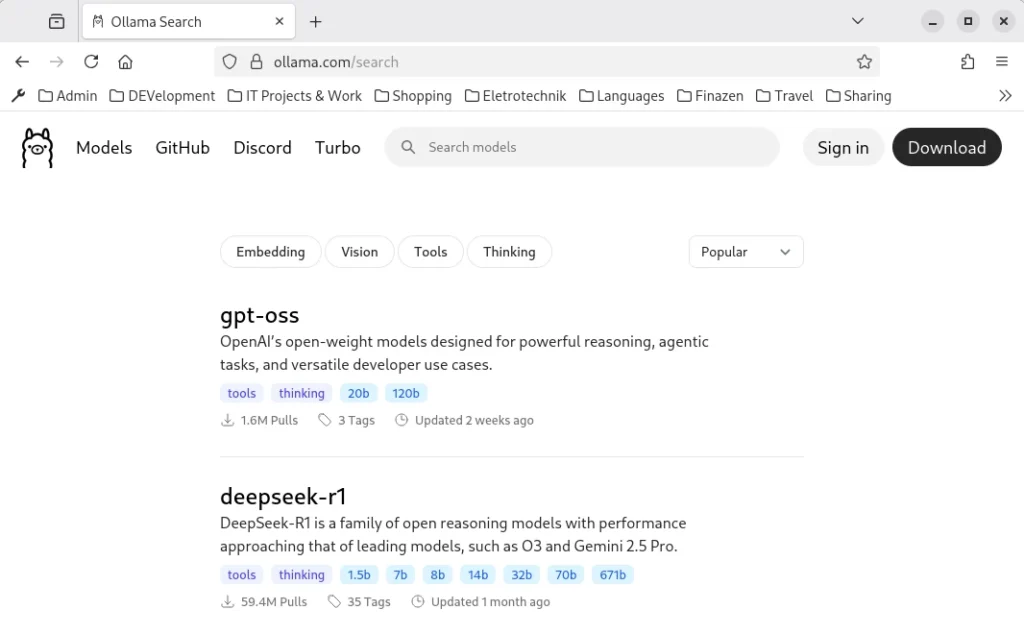
Let’s start with the first step and install Ollama. To do this, open Bash and use the following command: sudo curl -fsSL https://ollama.com/install.sh | sh. This command downloads Ollama and executes the installation script. For the installation to begin, you must enter the administrator password. Ollama is a command-line program that is controlled via the console. After successful installation, a language model must be loaded. Corresponding models can be found on the website https://ollama.com/search.

Proven language models include:

  • lama 3.1 8B: Powerful for more demanding applications.
  • Phi-3-5 3B: Well-suited for logical reasoning and multilingualism.
  • Llama 3.3 2B: Efficient for applications with limited resources.
  • Phi 4 14B: State-of-the-art model with increased hardware requirements but performance comparable to significantly larger models.

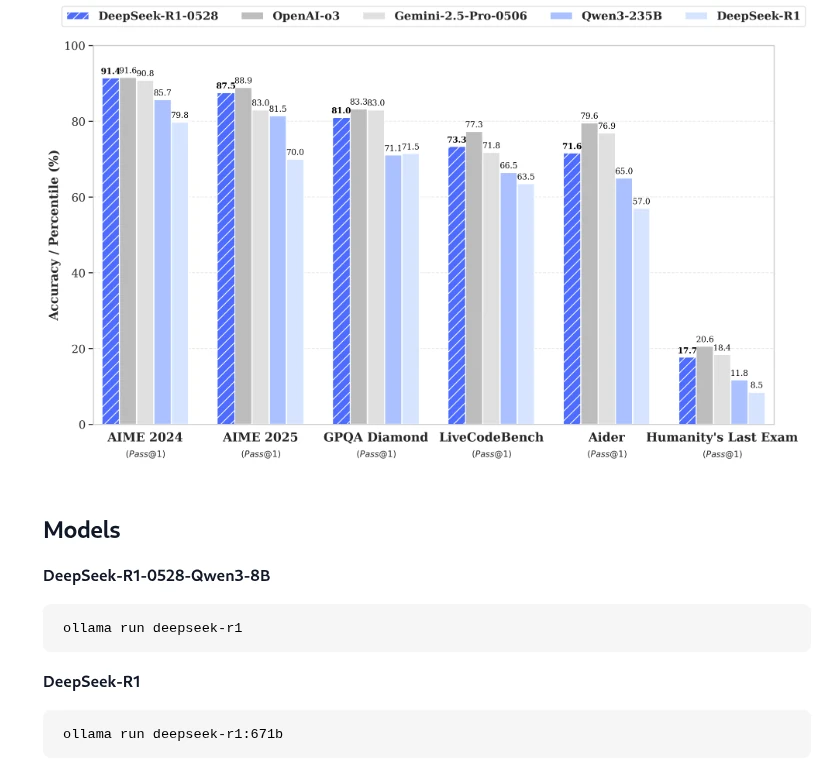
Once you’ve chosen a language model, you can copy the corresponding command from the overview and enter it into the terminal. For our example, this will be DeepSeek R1 for demonstration purposes.

As shown in the screenshot, the corresponding command we need to install the model locally in Ollama is: ollama run deepseek-r1. Installing the language model may take some time, depending on your internet connection and computer speed. Once the model has been installed locally in Ollama, we can close the terminal and move on to the next step: installing AnythingLLM.

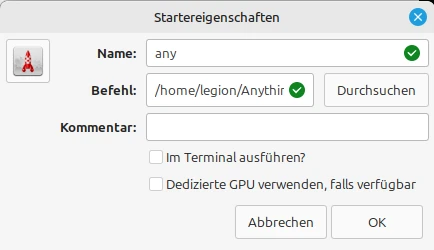
Installing AnythingLLm is similar to installing Ollama. To do so, open the terminal and enter the following command: curl -fsSL https://cdn.anythingllm.com/latest/installer.sh | sh. Once the installation is complete, you can change to the installation directory, which is usually /home//AnythingLLMDesktop. There, navigate to the start link and make it executable (right-click and select Properties). Additionally, you can create a shortcut on the desktop. Now you can conveniently launch AnythingLLM from the desktop, which we’ll do right now.

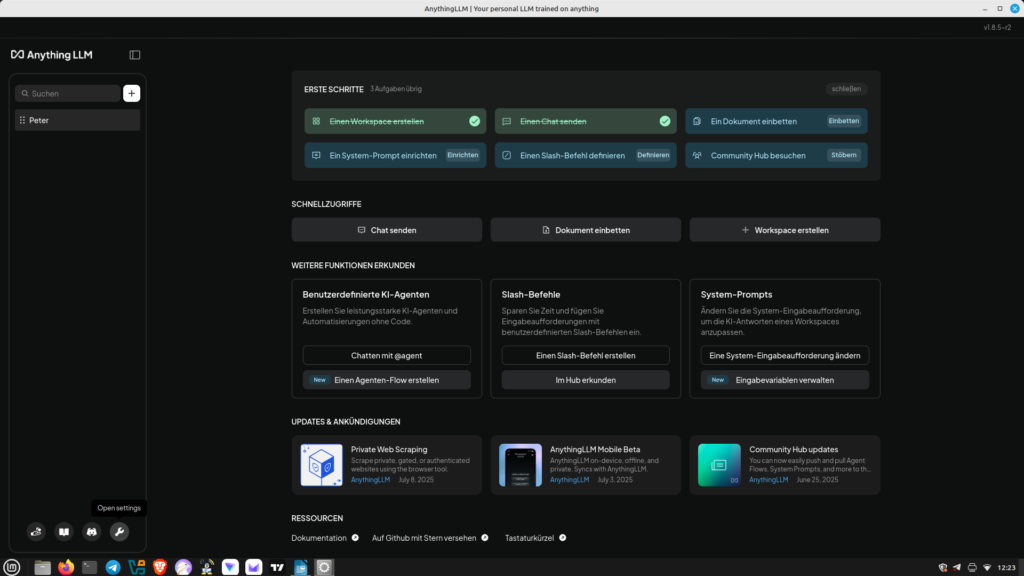
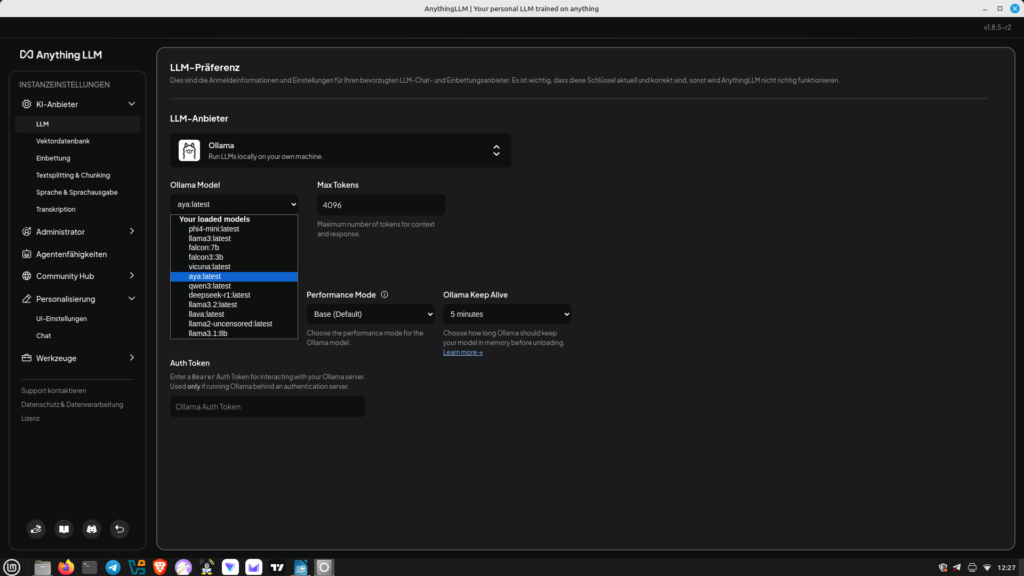
After defining the workspace, we can now link Anything with Ollama. To do this, we go to the small wrench icon (Settings) in the lower left corner. There, we select LLM and then Ollama. We can now select the language model stored for Ollama. Save our settings. Now you can switch to chat mode. Of course, you can change the language model at any time. Unlike previous workshops, we can now upload PDF documents and ask questions about the content. Have fun.


Marketing with artificial intelligence

Nothing is as certain as change. This wisdom applies to virtually every area of ​​our lives. The internet is also in a constant state of flux. However, the many changes in the technology sector are happening so rapidly that it’s almost impossible to keep up. Anyone who has based their business model on marketing through online channels is already familiar with the problem. Marketing will also continue to experience significant changes in the future, influenced by the availability of artificial intelligence.

Before we delve into the details in a little more detail, I would like to point out right away that by no means has everything become obsolete. Certainly, some agencies will not be able to continue to assert themselves in the future if they focus on traditional solutions. Therefore, it is also important for contractors to understand which marketing concepts can be implemented that will ultimately achieve their goals. Here, we believe that competence and creativity will not be replaced by AI. Nevertheless, successful agencies will not be able to avoid the targeted use of artificial intelligence. Let’s take a closer look at how internet user behavior has changed since the launch of ChatGPT around 2023.
More and more people are accessing AI systems to obtain information. This naturally leads to a decline in traditional search engines like Google and others. Search engines per se are unlikely to disappear, as AI models also require an indexed database on which to operate. It’s more likely that people will no longer access search engines directly, but will instead have a personal AI assistant that evaluates all search queries for them. This also suggests that the number of freely available websites may decline significantly, as they will hardly be profitable due to a lack of visitors. What will replace them?
Following current trends, it can be assumed that well-known and possibly new platforms such as Instagram, Facebook, and X will continue to gain market power. Short texts, graphics, and videos already dominate the internet. All of these facts already require a profound rethinking of marketing strategies.

They say dead live longer. Therefore, it would be wrong to completely neglect traditional websites and the associated SEO. Be aware of the business strategy you are pursuing with your internet/social media presence. As an agency, we specifically help our clients review and optimize existing strategies or develop entirely new ones.
Questions are clarified as to whether you want to sell goods or services, or whether you want to be perceived as a center of expertise on a specific topic. Here, we follow the classic approach from search engine optimization, which is intended to generate qualified traffic. It is of little use to receive thousands of impressions when only a small fraction of them are interested in the topic. The previously defined marketing goals are promoted with cleverly distributed posts on websites and in social media.
Of course, every marketing strategy stands or falls with the quality of the products or services offered. Once the customer feels they received a bad product or a service was too poor, a negative campaign can spread explosively. Therefore, it is highly desirable to receive honest reviews from real customers on various platforms.
There are countless offers from dubious agencies that offer their clients the opportunity to generate a set number of followers, clicks, or reviews. The results quickly disappear once the service is no longer purchased. Besides, such generic posts created by bots are easy to spot, and many people now selectively ignore them. Thus, the effort is pointless. Furthermore, real reviews and comments are also an important tool for assessing the true external impact of your business. If you are constantly being told how great you are, you might be tempted to believe it. There are some stars who have experienced this firsthand.

Therefore, we rely on regular publications of high-quality content that are part of the marketing objective in order to generate attention. We try to use this attention to encourage user interaction, which in turn leads to greater visibility. Our AI models help us identify current trends in a timely manner so that we can incorporate them into our campaigns.
Based on our experience, artificial intelligence allows us to create and schedule high-frequency publications for a relatively long campaign period. The time a post or comment goes live also influences success.
There are isolated voices that suggest the end of agencies. The reasoning is often that many small business owners can now do all these great things that are part of marketing themselves thanks to AI. We don’t share this view. Many entrepreneurs simply don’t have the time to manage marketing independently across all channels. That’s why we rely on a healthy mix of manual work and automation in many steps. Because we believe that success doesn’t just happen in a test tube. We use our tools and experience to achieve qualitative individual results.


Installing Artificial Intelligence GPD4all on Linux

Artificial intelligence is a very broad field in which it’s easy to lose track. Large Language Models (LLMs), such as ChatGPD, process natural language and can solve various problems depending on the data set. In addition to pleasant conversations, which can be quite therapeutic, LLM can also handle quite complex tasks. One such scenario would be drafting official letters. In this article, we won’t discuss how you can use AI, but we’ll explain how you can install your own AI locally on your computer.

Before we get into the nitty-gritty, we’ll answer the question of what the whole thing is actually useful for. You can easily access AI systems, some of which are available online for free.

What many people aren’t aware of is that all requests sent to ChatGPT, DeepSeek, and the like are logged and permanently stored. We can’t answer the details of this logging, but the IP address and user account with the prompt request are likely among the minimal data collected. However, if you have installed your own AI on your local computer, this information will not be transmitted to the internet. Furthermore, you can interact with the AI as often as you like without incurring any fees.

For our project of installing our own artificial intelligence on your own Linux computer, we don’t need any fancy hardware. A standard computer is perfectly sufficient. As mentioned before, we are using Linux as the operating system because it is much more resource-efficient than Windows 10 or Windows 11. Any Debian-derived Linux can be used for the workshop. Debian derivatives include Ubuntu and Linux Mint.

At least 16 GB of RAM is required. The more RAM, the better. This will make the AI run much more smoothly. The CPU should be at least a current i5/i7 or AMD Ryzen 5+. If you also have an SSD with 1 TB of storage, we have the necessary setup complete. Computers/laptops with this specification can be purchased used for very little money. Without wanting to advertise too much, you can browse the used Lenovo ThinkPad laptops. Other manufacturers with the minimum hardware requirements also provide good services.

After clarifying the necessary requirements, we’ll first install GPT4all on our computer. Don’t worry, it’s quite easy, even for beginners. No special prior knowledge is necessary. Let’s start by downloading the gpd4all.run file from the homepage (https://gpt4all.io/index.html?ref=top-ai-list). Once this is done, we’ll make the file executable.

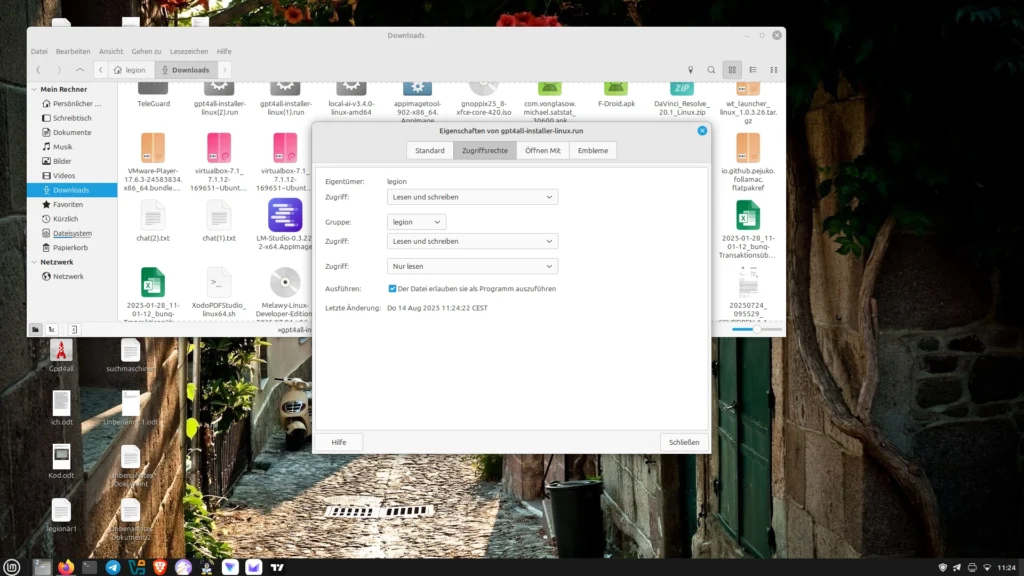
As shown in the screenshot, we right-click on the downloaded file and select Properties from the menu. Under the Permissions tab, we then check the Execute box. Now you can run the file with the usual double-click, which we do immediately.

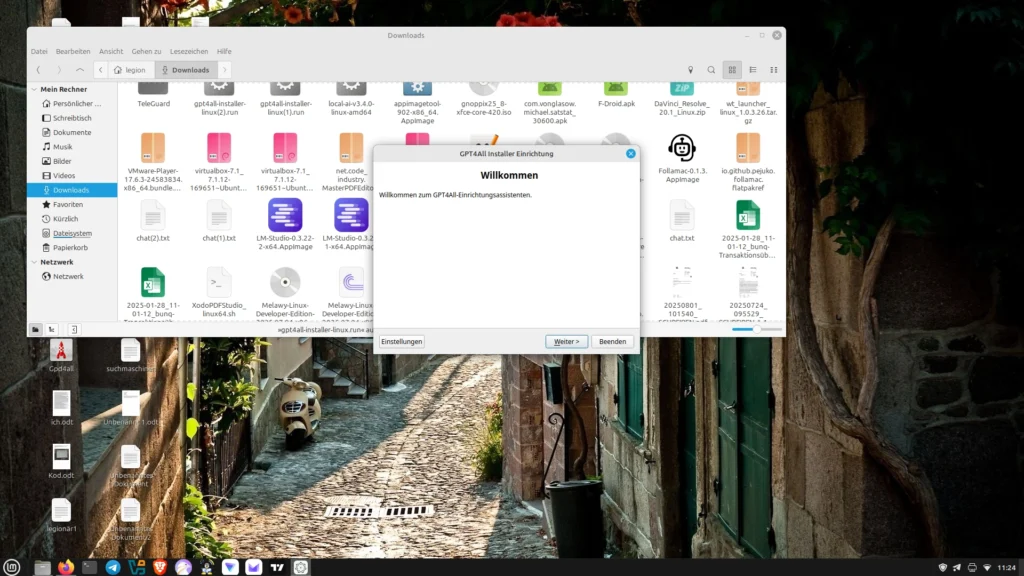
Now the installation process begins, where we can, among other things, select where GPT4all will be installed. On Linux, self-installed programs usually go to the /opt directory.

In the next step, we can create a desktop shortcut. To do this, right-click on the empty desktop and select “Create Shortcut.” In the pop-up window, enter a name for the shortcut (e.g., GPT 4 all) and set the path to the executable file (bin/chat), then click OK. Now we can conveniently launch GPT4all from our desktop.

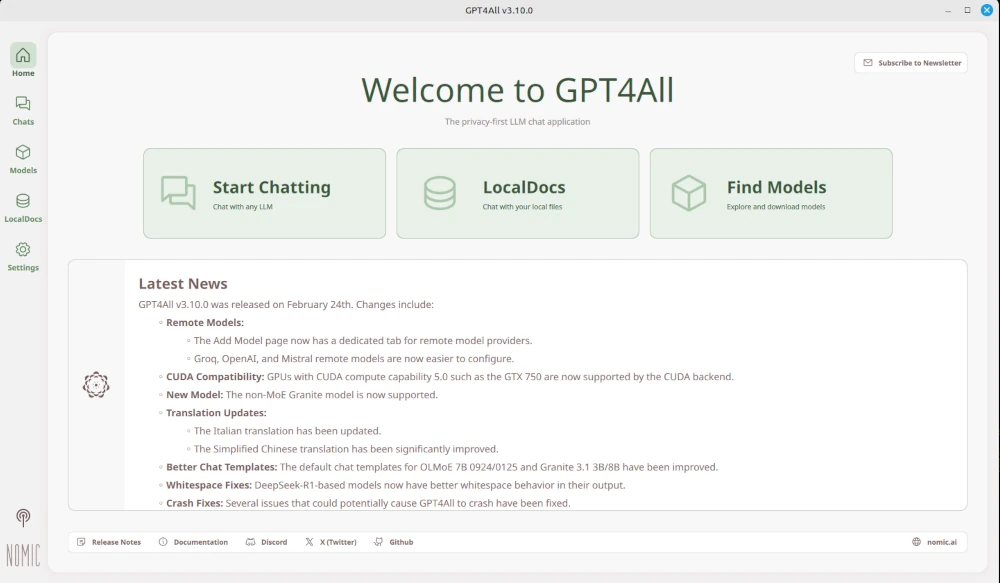
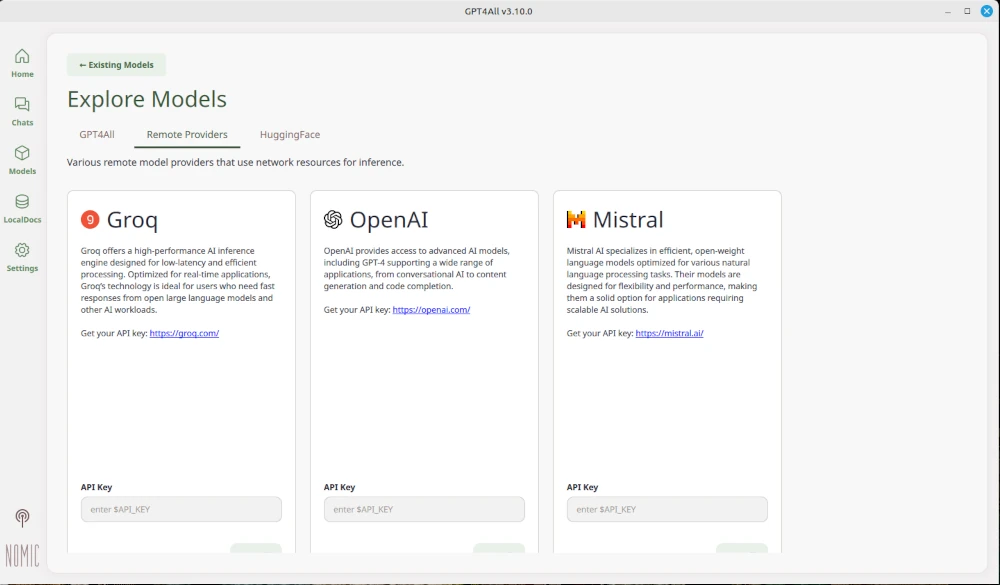
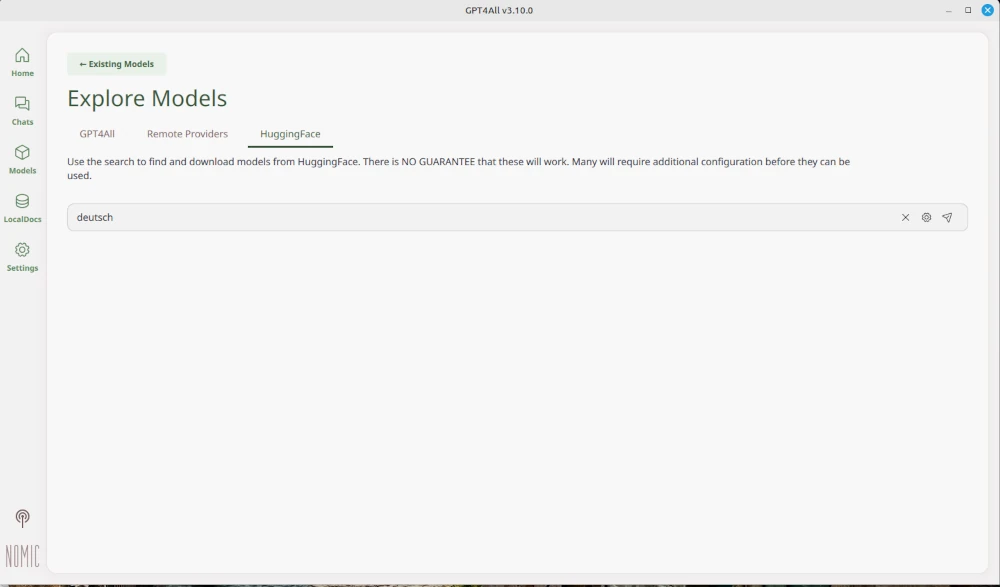
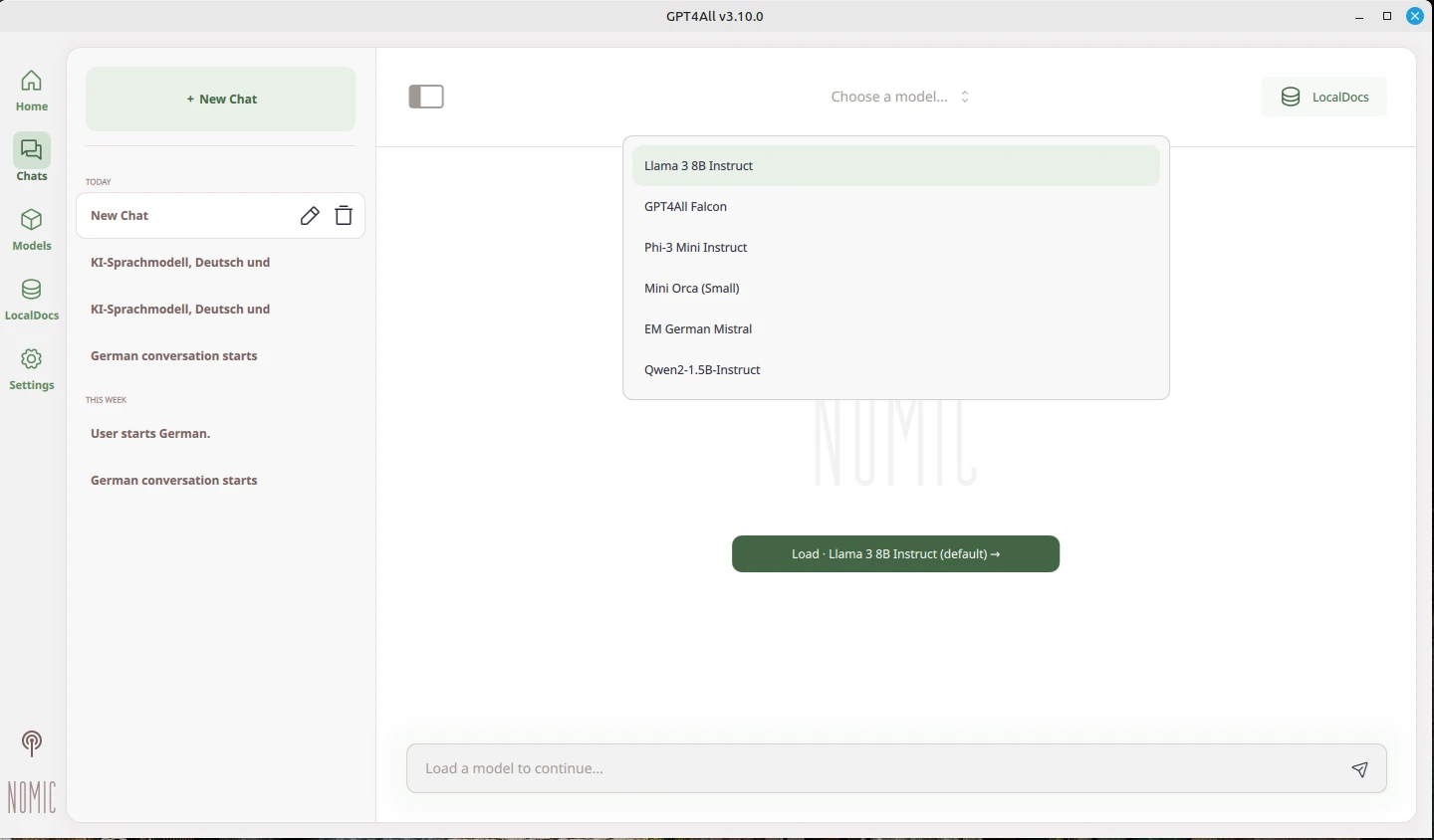
For GPT4all to work, a model must be loaded. As you can see in the screenshots, several models are available. The model must be reselected each time the program is started. The AI can now be used locally on your computer.

Image gallery:

Other AI systems include:

Beyond code: Why soft skills for developers in the AI era become irreplaceable

AI tools such as Github Copilot, Chatgpt and other code generators change the developer role. Many programmers wonder which skills will be asked in the future. AI does not replace any developers. But developers without soft skills replace themselves.

“The best developers 2030 will not be a better code – but better translators between humans and machines.” Andrej Karpathy, ex-Openai

In June 2025, Microsoft deleted 9000 jobs [1]. Companies such as Microsoft, Google or IBM change their teams-and AI tools are often part of the strategy. One reason for these laying waves is the comprehensive availability of powerful AI tools. According to a study by McKinsey [2], AI systems can accelerate up to 60% of the Developer workload. If AI can do up to 80% of the coding, what makes me irreplaceable? More and more people are now asking themselves this central question because they are directly affected by the 4th industrial revolution or are affected in the foreseeable future.

Unlike earlier revolutions, there is no ‘retraining on web design’ this time. AI tools such as Devin or Chatgpt code not only automate tasks, but entire job profiles and faster than most of those affected can react. Studies show that up to 30% of all developer roles will not be converted by 2030, but are replaced by artificial intelligence.

This trend can be found in almost all professions, also in classic craft. On YouTube you can specifically search for videos, such as deliver small, cute robots orders in Moscow. Or as robots print out entire houses. New patents that affect steel shavings to concrete increase the stability and replace classic iron lichen. Machines that lay the floor tiles can also be seen. The list of activities that can be carried out by AI is long.

If you internalize this forecast, you can be afraid and worried. In order not only to survive in this new period, but even to be one of the winners, requires a high degree of flexibility. That is why one of the most important properties we have to develop will be a flexible spirit. Because although AI is very powerful, their limits are also set. If we only think about what defines us as humans, we find an important quality: creativity. How can we use this for future success? So that the statement: if your creativity does not become a platitude, I first look at the way how it will most likely become nothing.

Often junior developers ask me which framework, which programming Apache, which operating system etc. you should learn. These were the wrong questions in the old days. It’s not about following trends, but an appeal. If programming is to be a calling for me, it is first of all about understanding what the code you write really does. With a profound understanding of the source text, performance improvements can also be found quickly. Optimizations in the area of security are also included. But locating errors and their elimination are also characteristics of good developers. Because it is precisely in these areas that human creativity of artificial intelligence is superior. Of course, this means that as a consequence, it is consequently expanding exactly these skills.

Anyone who is only busy running after current fashion phenomena was not one of the specialists in demand in the ‘old’ time. Pure code of Monkeys their activities primarily consist of copying and inserting, without really grasping what the code snippets mean, were easy to replace. Especially now that AI is supposed to increase productivity, it is important to decide quickly and safely where a proposed implementation needs adjustments so that there are no unpleasant surprises when the application goes into production. Of course, this also means as a consequence that AI is a tool that needs to be used efficiently. In order to continue to stay on the winning page in the future, it is essential to significantly improve your own productivity by handling AI. Companies expect their employees that with the support of AI they can do a four to five times the current workload.

In order to be able to work effectively with artificial intelligence, your own communication skills are essential. Because only if you have clearly structured your thoughts can you formulate it correctly and specifically. A significant increase in performance can only be achieved if the desired result is achieved when the first instruction. Anyone who has to explain to the language model every time how inquiries can be understood, for example, because they contain amplifying, you will be able to achieve little time savings by AI.

You can basically say that the developer of the future should have some management skills. In addition to clear tasks, there will be a lot of self -management. To distribute suitable resources for optimal results. Because not only artificial intelligence threatens your own workplace, but also a strong competition from the Asian region. Well -trained, motivated and powerful people are now available in high numbers.

So we see that very moving times are coming up. The world will turn a little faster. Anyone who perceives these changes as a threat but as a challenge has a good chance of being fit for the no longer too long future. Anyone who already sets the course is well prepared for what will come to us and does not have to be afraid of anything.

resources

Abonnement / Subscription

[English] This content is only available to subscribers.

[Deutsch] Diese Inhalte sind nur für Abonnenten verfügbar.

The digital toolbox

The topic of artificial intelligence will bring about significant changes for our society. The year 2022 heralded these changes with the launch of ChatGPT for private users. Powerful A.I. based tools are now seeing the light of day almost daily. They promise higher productivity and open up new and even unimagined possibilities. Even if what these tools do seems a bit scary at first, it’s also fascinating, because most of these applications we’ve been longing for for many years.

So before I get into the details, I’d like to say a few words of caution. Because as exciting as the whole topic is, it also has its downsides, which we should not overlook despite all the euphoria. Companies in particular must be aware that all requests to A.I. are logged and used for training purposes. This can be a security risk in the case of sensitive business secrets.

Technically, the A.I. tools discussed here are so-called artificial neural networks. Tools are so-called artificial neural networks and imitate the human brain. The description of how ChatGPT works includes the term Large Vision-Language Model (LVLM). This means that they understand the context of human speech and act or react accordingly. All the A.I. systems discussed in this article are, in contrast to living beings, not self-motivated. They need, so to speak, an initial spark to become active. No matter which living being on the other hand has permanently the necessity to find food for its own energy demand. If the creature does not succeed in finding food over a longer period of time, it dies and its being is lost forever. An artificial neural network, on the other hand, can process queries as long as the computer on which it is installed. If the computer breaks down, the neural network can be installed on a new computer and it can continue to work as before. But now enough of the technical details. If you want to know more, you can listen to my podcast or have a look at the other A.I. articles in this blog.

Now, before I introduce K. I. systems for home use, I would like to discuss a few highly specialized industrial applications. I must admit that I am very impressed by the performance of these systems. This also demonstrates the enormous versatility.

PTC CREO

PTC CREO is a computer-aided design (CAD) system that can be used to create engineering design drawings. CREO can also optimize existing designs based on material and manufacturing requirements.

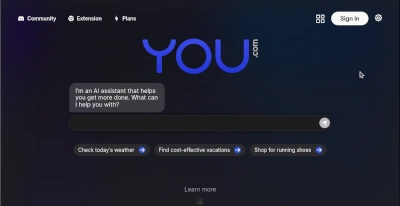
YOU.COM

YOU.COM is an A.I. based search engine with an integrated chatbot. In contrast to Google and Co, YOU.COM does not present long lists of results from which you have to search for what you are looking for. Rather, you get a summary of the information found in response to your query.

absci

absci uses artificial neural networks to design drugs from scratch. This extremely accelerated process will enable the development of personalized drugs tailored to the patient in the future.

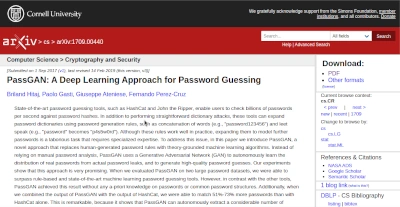
PassGAN

On the free source code hosting platform GitHub you can find the tool PassGAN, a Python written A.I. based password cracker. Even though its use is complicated and PassGAN is mainly used by security researchers, it is a matter of time before capable specialists use this tool for illegal activities.

If you now have a taste for it, you should definitely take a look at hugging face. On this website, the A.I. community hangs out and all kinds of LVLM can be tried out with different data sets. Of course there is also an extensive section with current scientific publications on the subject.

After I have demonstrated the potential of neural networks in a commercial environment with a few examples, it is now time to turn to tools for home use. In this way, the tools presented below can also be used for everyday tasks.

One of the oldest domains for artificial intelligence is the field of translation.
All those who have already diligently used the Google Translator on holiday may not even know that it also uses A.I. technologies. For this, the translator also needs a connection to the internet, because even modern smartphones are not powerful enough for complex translations by neural networks. However, the Google Translator had considerable weaknesses for me in the past. Especially with complex sentences, the tool quickly reached its limits. I achieve much better results with DeepL, which I use primarily for the languages German / Spanish and English. With the browser plug-in of the same name, entire websites can also be translated. In the free version of DeepL, texts can be translated on the website with up to 1500 per request. However, if you often want to translate large documents in a short time, you can also switch to the commercial version. In this case, various formats such as PDF, DOCX etx can be uploaded to the website and in a few moments you will receive the corresponding translation. There is also an option to spice up the source text stylistically. This is particularly suitable for those who find it difficult to formulate their own texts (letters, etc.).

In turn, anyone who needed individual graphics for their homepage had to either hire a professional graphic designer or spend a long time searching for freely usable graphics on free platforms such as Pixabay. Especially in the area of A.I. supported image generation there is a considerable choice of solutions. Because currently in 2023 there are still no regulators for the copyright of the images generated by the A. I.. However, this could change in the next few years. Here we must wait and keep an eye on the current legal situation. In the private environment, of course, this is not an issue. Who should control all the decorative graphics in photo books or on invitation cards for weddings or birthdays. In the following you will find a list of different providers, which are quite identical in their basic functions, so that you can make your choice according to your personal taste and sensitivities.

  • Microsoft Bing Image Creator Microsoft account required
  • OpenAI DALL-E based on chat GPT.
  • Midjourney is hosted on a Discord server.
  • Stable Diffusion has the focus to generate photorealistic images.

Another area of application predestined for A.I. is the generation of text. If you have difficulties with this, you can generate e.g. blog posts for your homepage with A.I. support. But also on legal formulations specialized application for the production of whole contract drafts, imprint texts etc. are very interesting for simple tasks also for private users. Simple sublease agreements, sales contracts, etc. are classic areas in which one does not immediately hire a lawyer. In the following I have compiled a small list of different A.I. based text generators:

  • Chat-GPT is a chatbot that can support research on new topics.
  • Wordtune allows to improve own formulations stylistically and to change them according to specifications like formal expression.
  • Spellbook supports lawyers in drafting contracts.
  • Rytr focuses on content creators and allows to specify SEO keywords. There is also a WordPress plugin.
  • BARD from Google supports the formulation of complex search queries to optimize the hit list.

If you think that we have already reached the end of possible applications with the systems already presented, you are mistaken. Another large area of application is audio / video editing. Here you don’t have to think of high quality film productions like they come from the Hollywood studios. There are many small tasks that are also relevant for home use. Extracting the text from audio or video files as an excerpt, then translating this template to create a new audio file in another language, for example. The conversion from text to audio and back again is not a novelty because it is an improvement of the quality of life especially for blind and deaf people.

  • Elevenlabs offered an A.I. based text-to-speech engine whose output already sounds very realistic.
  • Dadabots generates a music livestream and can imitate genres and well-known bands. Which allows the use of GEMA free music at events.
  • Elai.io allows to create personalized videos with digital avatars. Areas of application include education and marketing.
  • MuseNet supports musicians in composing new pieces based on given MIDI samples.

The last major application area for A. I. supported software in this list is the creation of source code. Even though code generators are not a novelty for programmers and have been speeding up the workflow for quite some time, the A. I. based approach offers much more flexibility. But also here applies as for all applications described before a watchful view of the user is inevitable. It is certainly possible to optimize existing program fragments according to specifications or to create so-called templates as templates, which can then be further elaborated manually. Most of the tools presented in the following are chargeable for commercial software development. However, there is a free version for students, teachers and open source developers on request.

  • GitHub Copilot from Microsoft
  • Codex by OpenAl
  • CodeStarter an integration for Ubuntu Linux is specialized for web applications
  • CodeWP for WordPress and allows to create own plugins or templates.
  • Tabnine is an IDE extension available for Visual Studio Code, Android Studio, Eclipse und IDEA

As we can see, there are countless applications that are already usable and this list is far from complete. For this reason, I would like to conclude by introducing the Futurepedia website. There, new A.I. tools are regularly listed and briefly introduced. So if you haven’t found the right tool for you in this article, take a look at Futurepedia.